|
Clinical trial
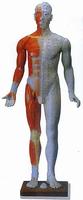
30 years after acupuncture was officially imported to USA, more and more Americans are using acupuncture for their health care, there are more and more evidences about the efficacy of acupuncture.
Fertil Steril. 2002 Apr;77(4):721-4.
Influence of acupuncture on the pregnancy rate in patients who undergo assisted reproduction therapy.
OBJECTIVE: To evaluate the effect of acupuncture on the pregnancy rate in assisted reproduction therapy (ART) by comparing a group of patients receiving acupuncture treatment shortly before and after embryo transfer with a control group receiving no acupuncture. DESIGN: Prospective randomized study. SETTING: Fertility center. PATIENT(S): After giving informed consent, 160 patients who were undergoing ART and who had good quality embryos were divided into the following two groups through random selection: embryo transfer with acupuncture (n = 80) and embryo transfer without acupuncture (n = 80). INTERVENTION(S): Acupuncture was performed in 80 patients 25 minutes before and after embryo transfer. In the control group, embryos were transferred without any supportive therapy. MAIN OUTCOME MEASURE(S): Clinical pregnancy was defined as the presence of a fetal sac during an ultrasound examination 6 weeks after embryo transfer. RESULT(S): Clinical pregnancies were documented in 34 of 80 patients (42.5%) in the acupuncture group, whereas pregnancy rate was only 26.3% (21 out of 80 patients) in the control group. CONCLUSION(S): Acupuncture seems to be a useful tool for improving pregnancy rate after ART.
Circulation. 2007 Jun 19;115(24):3121-9. Epub 2007 Jun 4.
Randomized trial of acupuncture to lower blood pressure.
BACKGROUND: Arterial hypertension is a prime cause of morbidity and mortality in the general population. Pharmacological treatment has limitations resulting from drug side effects, costs, and patient compliance. Thus, we investigated whether traditional Chinese medicine acupuncture is able to lower blood pressure. METHODS AND RESULTS: We randomized 160 outpatients (age, 58+/-8 years; 78 men) with uncomplicated arterial hypertension in a single-blind fashion to a 6-week course of active acupuncture or sham acupuncture (22 sessions of 30 minutes' duration). Seventy-eight percent were receiving antihypertensive medication, which remained unchanged. Primary outcome parameters were mean 24-hour ambulatory blood pressure levels after the treatment course and 3 and 6 months later. One hundred forty patients finished the treatment course (72 with active treatment, 68 with sham treatment). There was a significant (P<0.001) difference in posttreatment blood pressures adjusted for baseline values between the active and sham acupuncture groups at the end of treatment. For the primary outcome, the difference between treatment groups amounted to 6.4 mm Hg (95% CI, 3.5 to 9.2) and 3.7 mm Hg (95% CI, 1.6 to 5.8) for 24-hour systolic and diastolic blood pressures, respectively. In the active acupuncture group, mean 24-hour ambulatory systolic and diastolic blood pressures decreased significantly after treatment by 5.4 mm Hg (95% CI, 3.2 to 7.6) and 3.0 mm Hg (95% CI, 1.5 to 4.6), respectively. At 3 and 6 months, mean systolic and diastolic blood pressures returned to pretreatment levels in the active treatment group. CONCLUSIONS: Acupuncture according to traditional Chinese medicine, but not sham acupuncture, after 6 weeks of treatment significantly lowered mean 24-hour ambulatory blood pressures; the effect disappeared after cessation of acupuncture treatment.
Fertil Steril. 2006 May;85(5):1347-51. Epub 2006 Apr 17.
Effect of acupuncture on the outcome of in vitro fertilization and intracytoplasmic sperm injection: a randomized, prospective, controlled clinical study.
OBJECTIVE: To determine the effect of luteal-phase acupuncture on the outcome of IVF/intracytoplasmic sperm injection (ICSI). DESIGN: Randomized, prospective, controlled clinical study. SETTING: University IVF center. PATIENT(S): Two hundred twenty-five infertile patients undergoing IVF/ICSI. INTERVENTION(S): In group I, 116 patients received luteal-phase acupuncture according to the principles of traditional Chinese medicine. In group II, 109 patients received placebo acupuncture. MAIN OUTCOME MEASURE(S): Clinical and ongoing pregnancy rates. RESULT(S): In group I, the clinical pregnancy rate and ongoing pregnancy rate (33.6% and 28.4%, respectively) were significantly higher than in group II (15.6% and 13.8%). CONCLUSION(S): Luteal-phase acupuncture has a positive effect on the outcome of IVF/ICSI.
Headache. 2009 Jun;49(6):805-16. Epub 2009 Apr 27.
Acupuncture for treating acute attacks of migraine: a randomized controlled trial.
OBJECTIVE: To discuss the results of a multicenter randomized controlled trial of the efficacy of verum acupuncture in treating acute migraine attacks. BACKGROUND: Acupuncture has been used in China for centuries to treat migraine headache. Convincing evidence of its efficacy in alleviating pain, however, has been inadequate to date. METHODS: A total of 218 patients with migraine were recruited for the study; 180 met the inclusion criteria; 175 completed the callback process and were randomized into 3 groups. One group received verum acupuncture while subjects in the other 2 groups were treated with sham acupuncture. Each patient received 1 session of treatment and was observed over a period of 24 hours. The main outcome measure was the differences in visual analog scale (VAS) scores before treatment and 0.5, 1, 2, and 4 hours after treatment. RESULTS: Significant decreases in VAS scores from baseline were observed in the fourth hour after treatment when VAS was measured in the patients who received either verum acupuncture or sham acupunctures (P < .05). The VAS scores in the fourth hour after treatment decreased by a median of 1.0 cm, 0.5 cm, and 0.1 cm in the verum acupuncture group, sham acupuncture group 1, and sham acupuncture group 2, respectively. Similarly, there was a significant difference in the change in VAS scores from baseline in the second hour after treatment among the 3 groups (P = .006). Moreover, at the second hour after treatment, only patients treated with verum acupuncture showed significant decreases in VAS scores from baseline by a median of 0.7 cm (P < .001). Significant differences were observed in pain relief, relapse, or aggravation within 24 hours after treatment as well as in the general evaluations among the 3 groups (P < .05). Most patients in the acupuncture group experienced complete pain relief (40.7%) and did not experience recurrence or intensification of pain (79.6%). CONCLUSION: Verum acupuncture treatment is more effective than sham acupuncture based on either Chinese or Western nonacupoints in reducing the discomfort of acute migraine. Verum acupuncture is also clearly effective in relieving pain and preventing migraine relapse or aggravation. These findings support the contention that there are specific physiological effects that distinguish genuine acupoints from nonacupoints.
JAMA. 1998 Nov 11;280(18):1580-4.
Moxibustion for correction of breech presentation: a randomized controlled trial.
CONTEXT: Traditional Chinese medicine uses moxibustion (burning herbs to stimulate acupuncture points) of acupoint BL 67 (Zhiyin, located beside the outer corner of the fifth toenail), to promote version of fetuses in breech presentation. Its effect may be through increasing fetal activity. However, no randomized controlled trial has evaluated the efficacy of this therapy. OBJECTIVE: To evaluate the efficacy and safety of moxibustion on acupoint BL 67 to increase fetal activity and correct breech presentation. DESIGN: Randomized, controlled, open clinical trial. SETTING: Outpatient departments of the Women's Hospital of Jiangxi Province, Nanchang, and Jiujiang Women's and Children's Hospital in the People's Republic of China. PATIENTS: Primigravidas in the 33rd week of gestation with normal pregnancy and an ultrasound diagnosis of breech presentation. INTERVENTIONS: The 130 subjects randomized to the intervention group received stimulation of acupoint BL 67 by moxa (Japanese term for Artemisia vulgaris) rolls for 7 days, with treatment for an additional 7 days if the fetus persisted in the breech presentation. The 130 subjects randomized to the control group received routine care but no interventions for breech presentation. Subjects with persistent breech presentation after 2 weeks of treatment could undergo external cephalic version anytime between 35 weeks' gestation and delivery. MAIN OUTCOME MEASURES: Fetal movements counted by the mother during 1 hour each day for 1 week; number of cephalic presentations during the 35th week and at delivery. RESULTS: The intervention group experienced a mean of 48.45 fetal movements vs 35.35 in the control group (P<.001; 95% confidence interval [CI] for difference, 10.56-15.60). During the 35th week of gestation, 98 (75.4%) of 130 fetuses in the intervention group were cephalic vs 62 (47.7%) of 130 fetuses in the control group (P<.001; relative risk [RR], 1.58; 95% CI, 1.29-1.94). Despite the fact that 24 subjects in the control group and 1 subject in the intervention group underwent external cephalic version, 98 (75.4%) of the 130 fetuses in the intervention group were cephalic at birth vs 81 (62.3%) of the 130 fetuses in the control group (P = .02; RR, 1.21; 95% CI, 1.02-1.43). CONCLUSION: Among primigravidas with breech presentation during the 33rd week of gestation, moxibustion for 1 to 2 weeks increased fetal activity during the treatment period and cephalic presentation after the treatment period and at delivery.
Lancet. 2005 Jul 9-15;366(9480):136-43.
Acupuncture in patients with osteoarthritis of the knee: a randomised trial.
BACKGROUND: Acupuncture is widely used by patients with chronic pain although there is little evidence of its effectiveness. We investigated the efficacy of acupuncture compared with minimal acupuncture and with no acupuncture in patients with osteoarthritis of the knee. METHODS: Patients with chronic osteoarthritis of the knee (Kellgren grade < or =2) were randomly assigned to acupuncture (n=150), minimal acupuncture (superficial needling at non-acupuncture points; n=76), or a waiting list control (n=74). Specialised physicians, in 28 outpatient centres, administered acupuncture and minimal acupuncture in 12 sessions over 8 weeks. Patients completed standard questionnaires at baseline and after 8 weeks, 26 weeks, and 52 weeks. The primary outcome was the Western Ontario and McMaster Universities Osteoarthritis (WOMAC) index at the end of week 8 (adjusted for baseline score). All main analyses were by intention to treat. RESULTS: 294 patients were enrolled from March 6, 2002, to January 17, 2003; eight patients were lost to follow-up after randomisation, but were included in the final analysis. The mean baseline-adjusted WOMAC index at week 8 was 26.9 (SE 1.4) in the acupuncture group, 35.8 (1.9) in the minimal acupuncture group, and 49.6 (2.0) in the waiting list group (treatment difference acupuncture vs minimal acupuncture -8.8, [95% CI -13.5 to -4.2], p=0.0002; acupuncture vs waiting list -22.7 [-27.5 to -17.9], p<0.0001). After 52 weeks the difference between the acupuncture and minimal acupuncture groups was no longer significant (p=0.08). INTERPRETATION: After 8 weeks of treatment, pain and joint function are improved more with acupuncture than with minimal acupuncture or no acupuncture in patients with osteoarthritis of the knee. However, this benefit decreases over time.
Ann Intern Med. 2004 Dec 21;141(12):901-10.
Effectiveness of acupuncture as adjunctive therapy in osteoarthritis of the knee: a randomized, controlled trial.
BACKGROUND: Evidence on the efficacy of acupuncture for reducing the pain and dysfunction of osteoarthritis is equivocal. OBJECTIVE: To determine whether acupuncture provides greater pain relief and improved function compared with sham acupuncture or education in patients with osteoarthritis of the knee. DESIGN: Randomized, controlled trial. SETTING: Two outpatient clinics (an integrative medicine facility and a rheumatology facility) located in academic teaching hospitals and 1 clinical trials facility. PATIENTS: 570 patients with osteoarthritis of the knee (mean age [+/-SD], 65.5 +/- 8.4 years). INTERVENTION: 23 true acupuncture sessions over 26 weeks. Controls received 6 two-hour sessions over 12 weeks or 23 sham acupuncture sessions over 26 weeks. MEASUREMENTS: Primary outcomes were changes in the Western Ontario and McMaster Universities Osteoarthritis Index (WOMAC) pain and function scores at 8 and 26 weeks. Secondary outcomes were patient global assessment, 6-minute walk distance, and physical health scores of the 36-Item Short-Form Health Survey (SF-36). RESULTS: Participants in the true acupuncture group experienced greater improvement in WOMAC function scores than the sham acupuncture group at 8 weeks (mean difference, -2.9 [95% CI, -5.0 to -0.8]; P = 0.01) but not in WOMAC pain score (mean difference, -0.5 [CI, -1.2 to 0.2]; P = 0.18) or the patient global assessment (mean difference, 0.16 [CI, -0.02 to 0.34]; P > 0.2). At 26 weeks, the true acupuncture group experienced significantly greater improvement than the sham group in the WOMAC function score (mean difference, -2.5 [CI, -4.7 to -0.4]; P = 0.01), WOMAC pain score (mean difference, -0.87 [CI, -1.58 to -0.16];P = 0.003), and patient global assessment (mean difference, 0.26 [CI, 0.07 to 0.45]; P = 0.02). LIMITATIONS: At 26 weeks, 43% of the participants in the education group and 25% in each of the true and sham acupuncture groups were not available for analysis. CONCLUSIONS: Acupuncture seems to provide improvement in function and pain relief as an adjunctive therapy for osteoarthritis of the knee when compared with credible sham acupuncture and education control groups.
N Engl J Med 2010; 363:454-461July 29, 2010
Acupuncture for Chronic Low Back Pain
This article has no abstract; the first 100 words appear below.
Foreword
This Journal feature begins with a case vignette that includes a therapeutic recommendation. A discussion of the clinical problem and the mechanism of benefit of this form of therapy follows. Major clinical studies, the clinical use of this therapy, and potential adverse effects are reviewed. Relevant formal guidelines, if they exist, are presented. The article ends with the authors' clinical recommendations.
Stage
A 45-year-old construction worker with a 7-year history of intermittent low back pain is seen by his family physician. The pain has gradually increased over the past 4 months, despite pain medications, physical therapy, and two epidural corticosteroid injections. The pain is described as a dull ache in the lumbosacral area with episodic aching in the posterior aspect of both thighs; it worsens with prolonged standing and sitting. He is concerned about losing his job, while at the same time worried that continuing to work could cause further pain. The results of a neurologic examination and a straight-leg–raising test . . .
|